
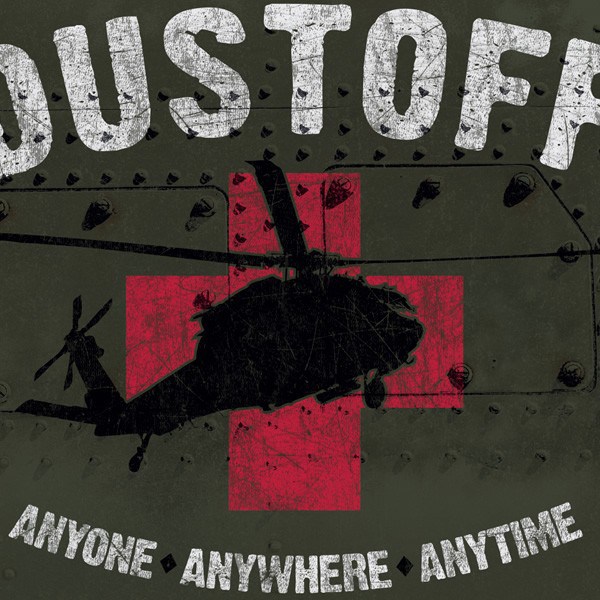

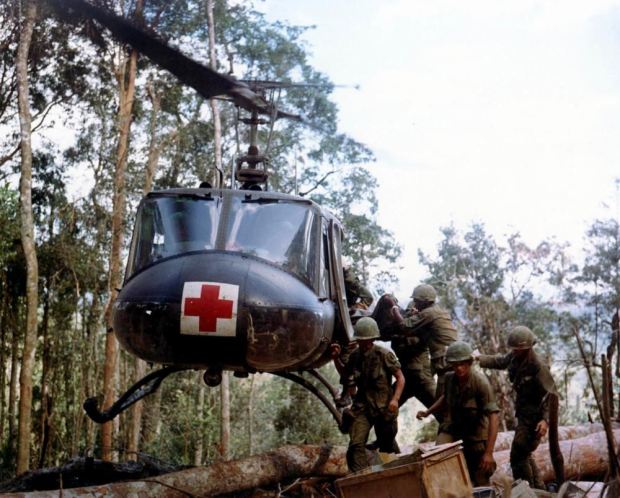
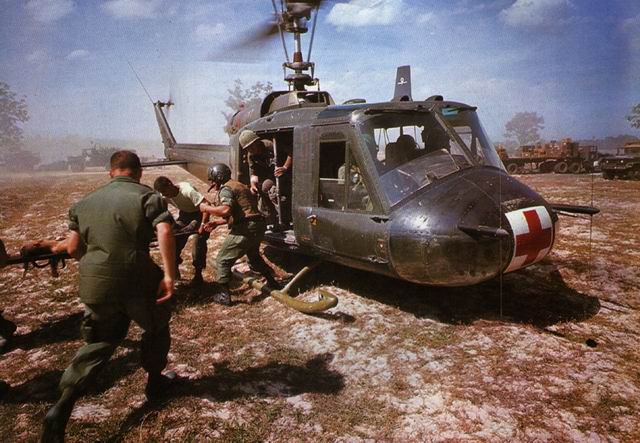
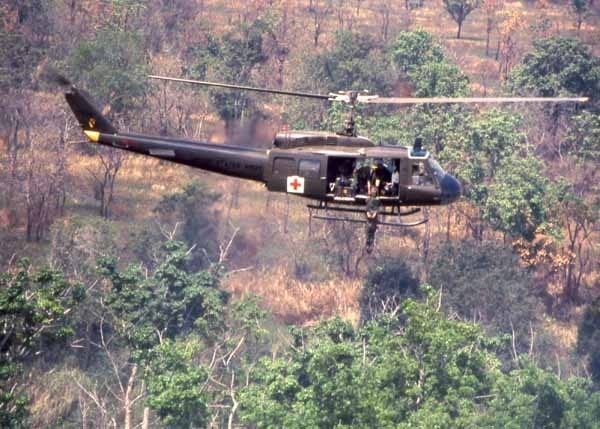
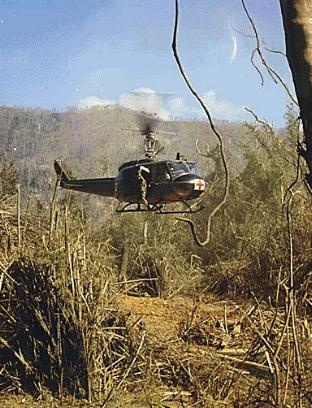
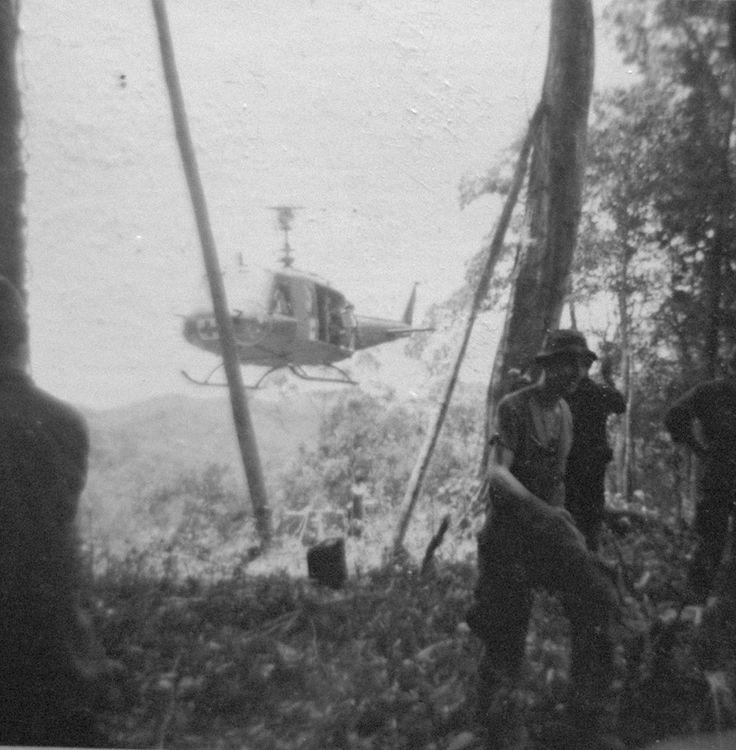
There was no more welcomed sound of to a wounded soilder in Vietnam than the whop-whop-whop of the “dustoff Huey” coming to get them out of hell. Anyone that has ever flown in a Dustoff Huey will never forget that heavenly sound
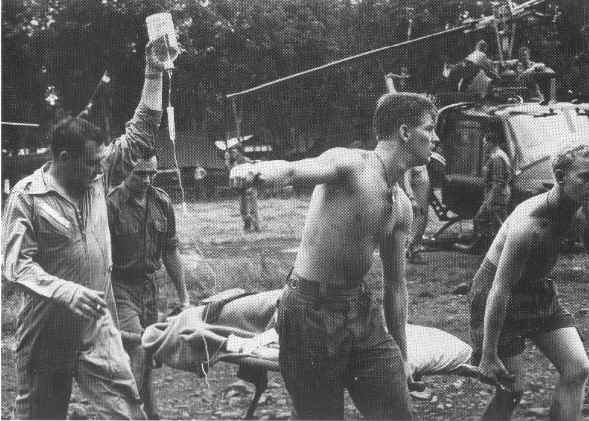
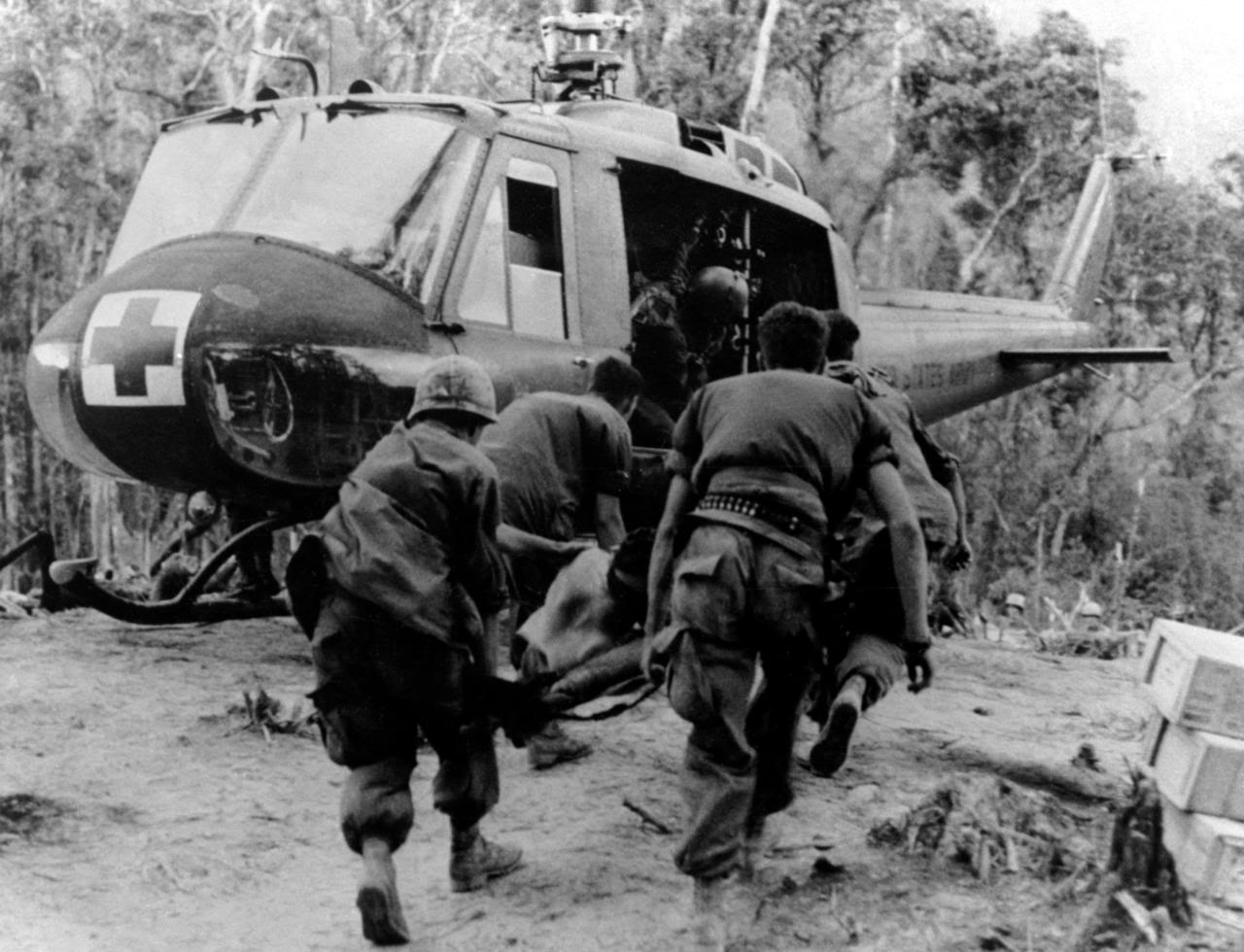
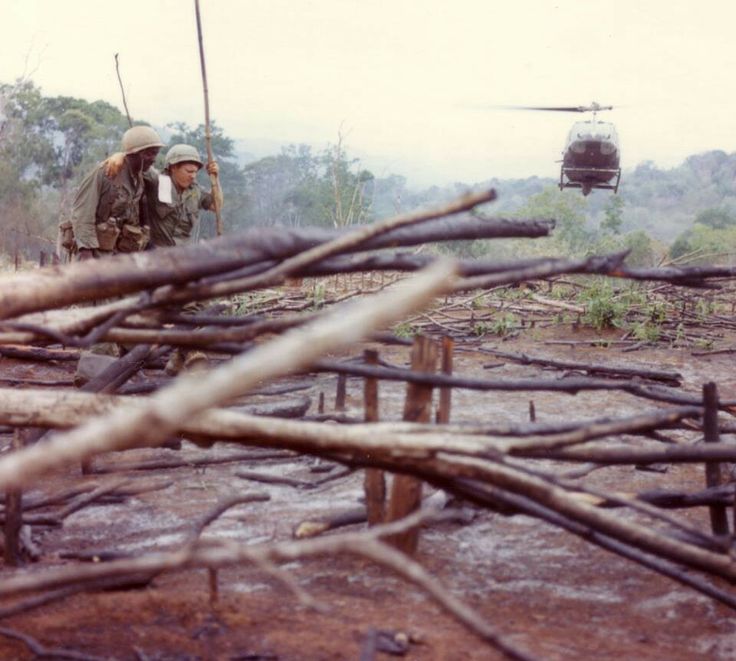
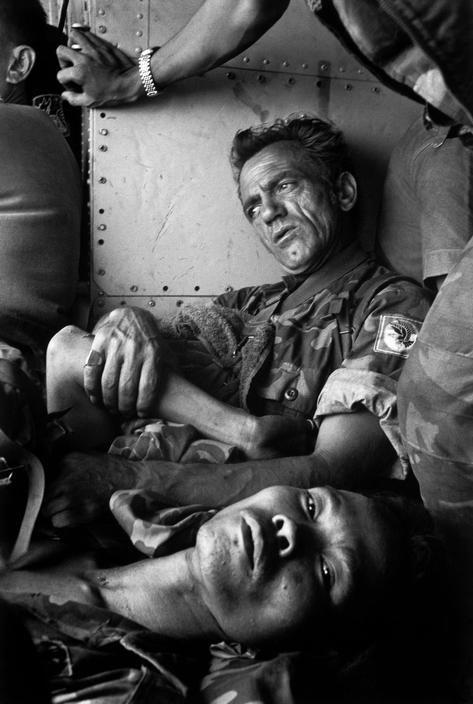
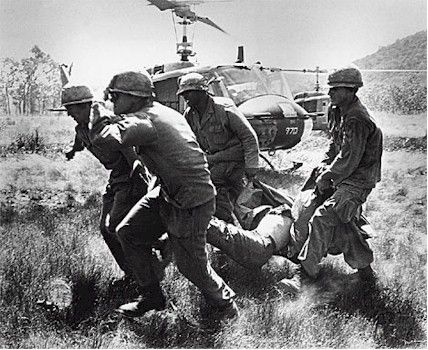
Without a doubt the Dustoff Medics witnessed more of the brutality of war than anyone. It took men with incredible courage to face the quantity of wounds and injuries they faced many times in a day. Shot at, sniped at, under mortar and heavy arms fire, they ran through mine fields to get to the wounded. Some of the most heroic men in the war.
The Vietnam War posed a unique logistical challenge to the military leaders. The war was fought in triple canopy jungle terrain and bad weather, there were constant guerilla attacks and the front line changed from day to day. Often vehicles traveling on the roads were subject to landmines, ambushes and poor road conditions, and some of the areas where heavy fighting took place were so remote there were no roads. All of these factors posed one major problem for the military. How do they transport the wounded safely and in a timely manner to the aid stations and hospitals for proper medical care? The Army’s medical branch decided to revisit an idea that came about in the Korean War – a helicopter ambulance corps. An idea that was implemented with so much success in Vietnam that in most cases a wounded soldier would be in a hospital receiving medical care within 35 minutes of being wounded.
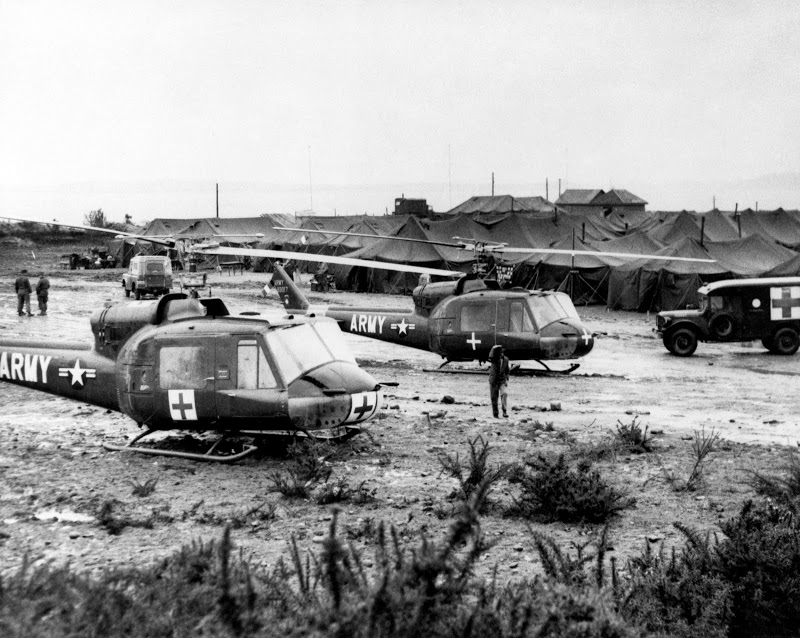
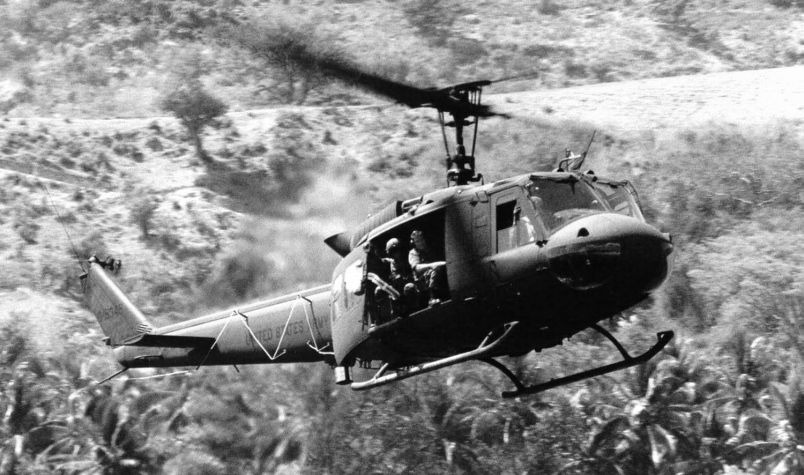
In April of 1962, the 57th Medical Detachment (Helicopter Ambulance) arrived in Vietnam with five UH-1 “Huey” helicopters. They took the call sign Dustoff. Over time the number of medevac detachments grew in Vietnam until the entire country had coverage and Dustoff became the universal call sign for all medevac missions.
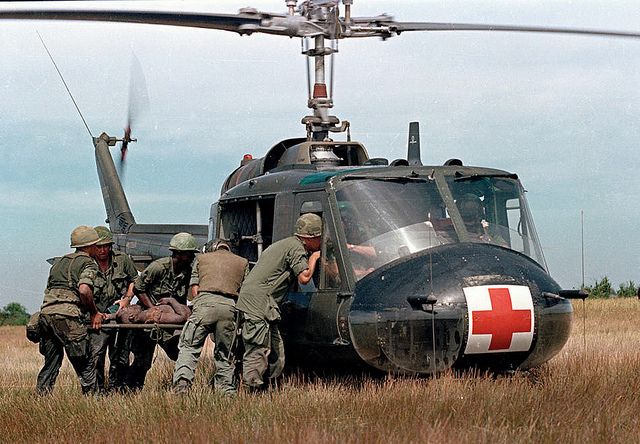
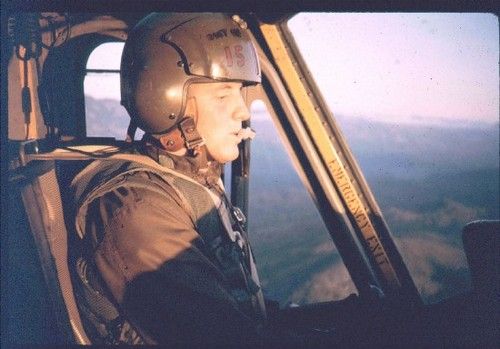
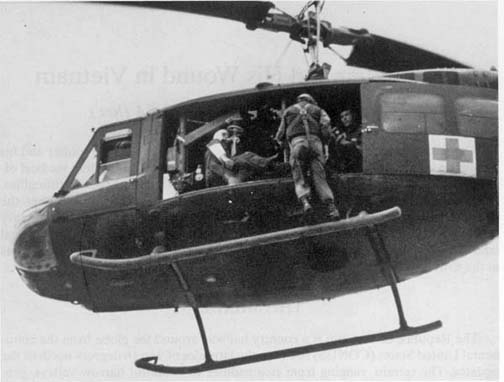
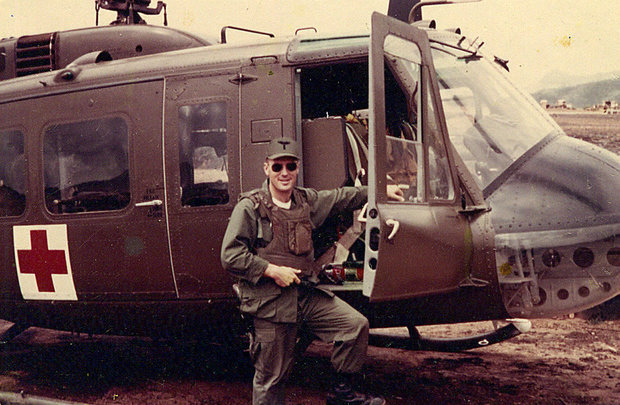
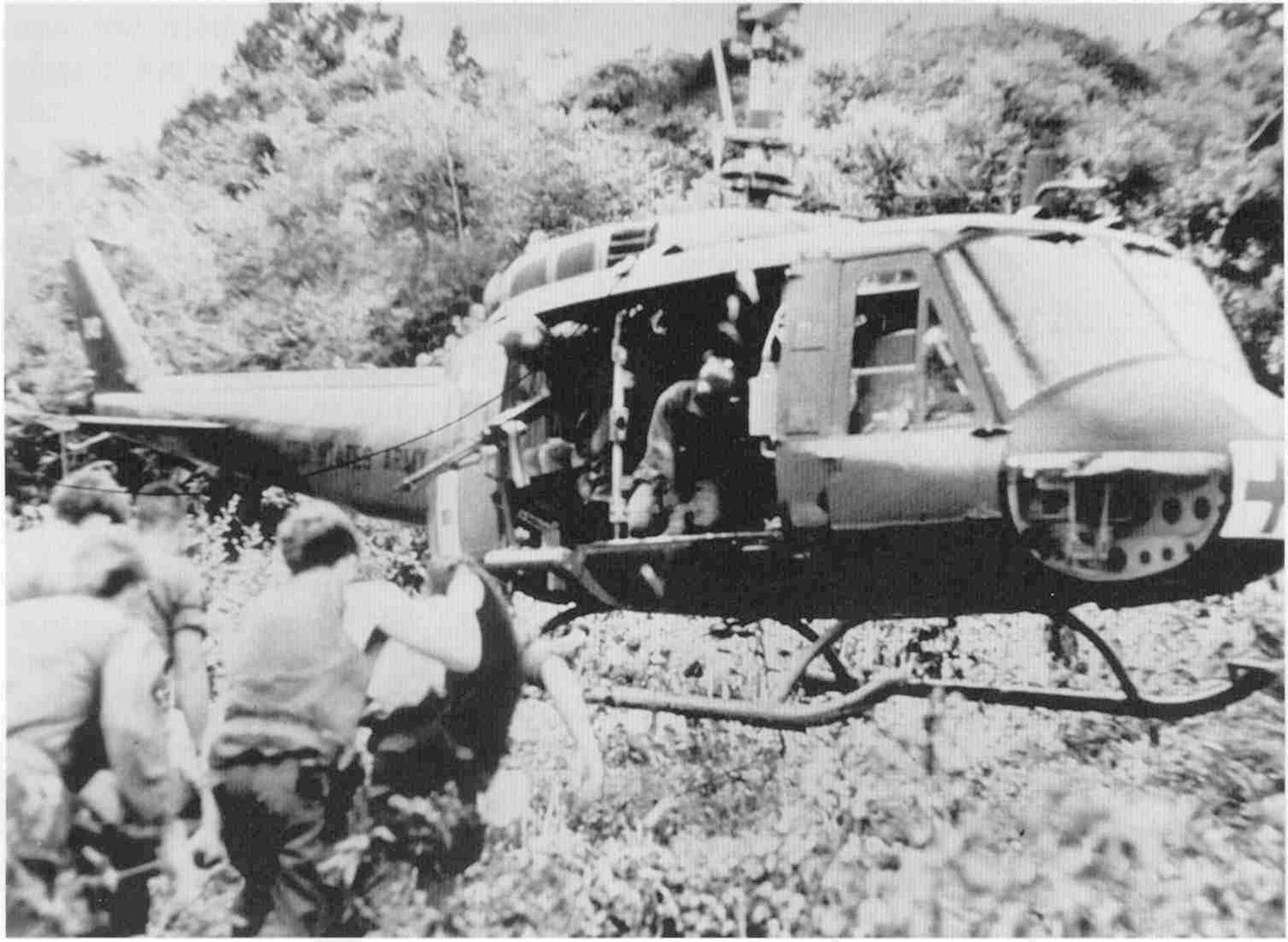
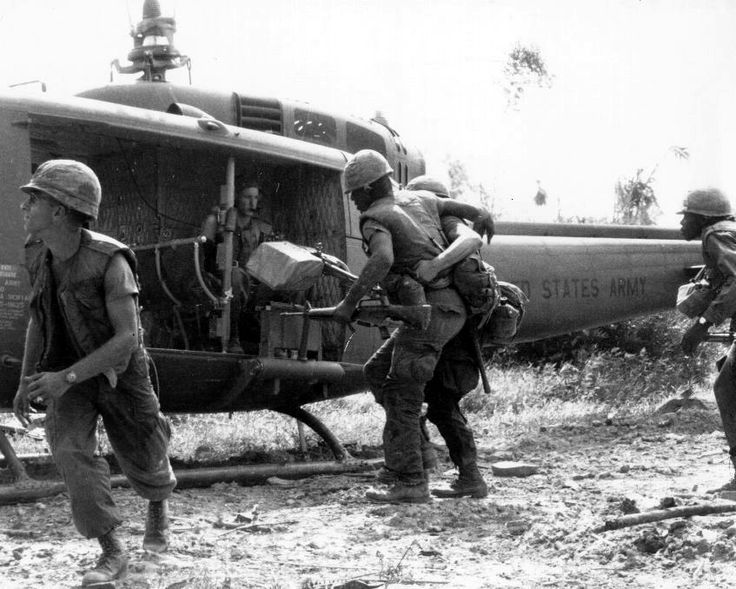
A Dustoff crew consisted of four people: two pilots, a medic and a crew chief. Usually, one pilot would fly the helicopter while the other acted as the aircraft commander. The commander would navigate, monitor all of the radio transmissions, talk to the unit requesting the medevac and would take over flying if the pilot were injured. The medic kept the helicopter stocked with the necessary medical supplies and the crew chief would maintain the helicopter in top working condition. They would both load the patients onto the helicopter and the medic would administer any necessary medical treatment on the way to the hospital, often with the help of the crew chief. The medic and crew chief would stay with a particular helicopter while the pilots were interchangeable between helicopters. These crews saved many lives and were universally respected by all of the soldiers in the war.
Here is a selection of images of the Dustoff men:


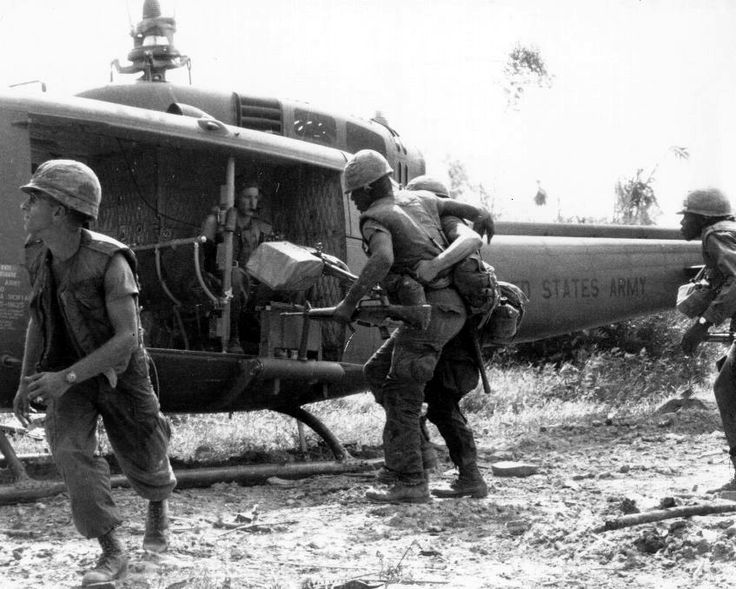
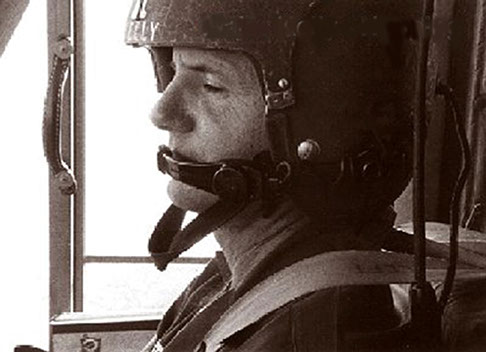

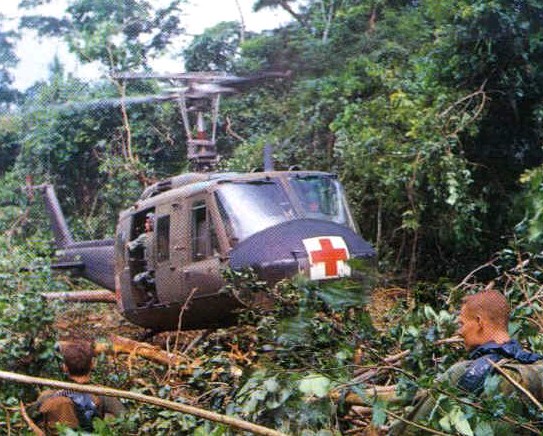

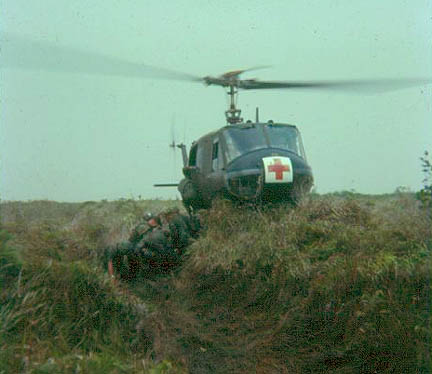
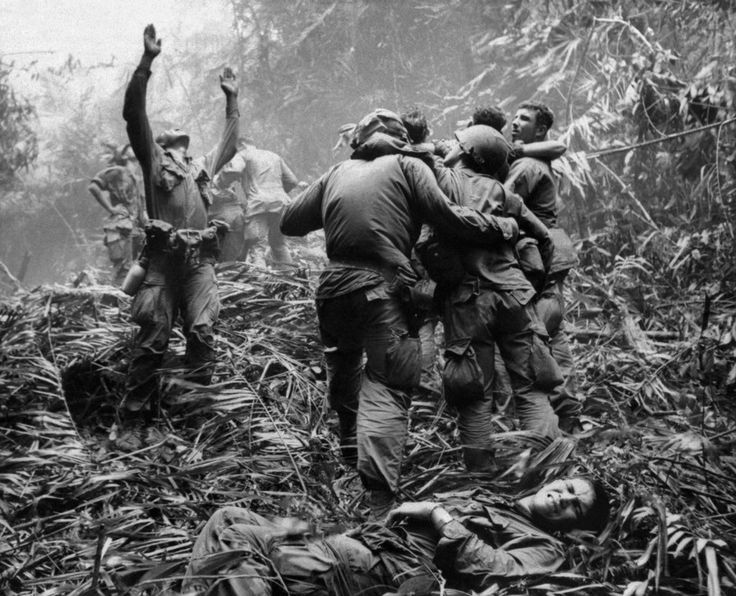
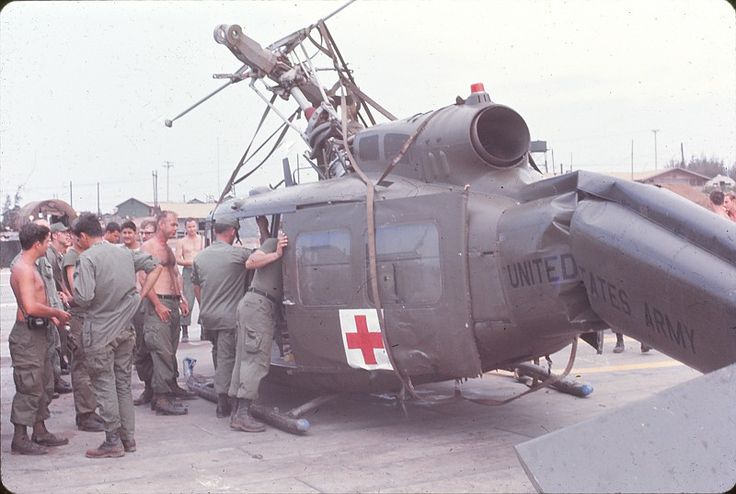
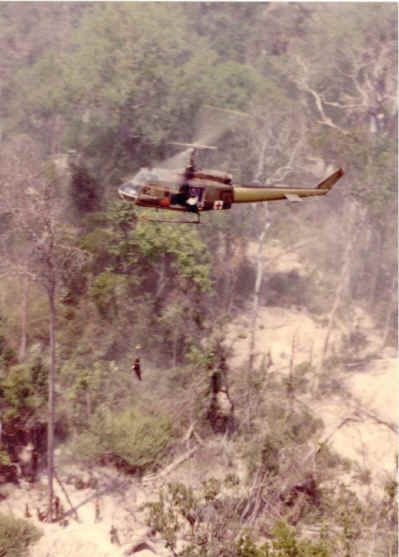
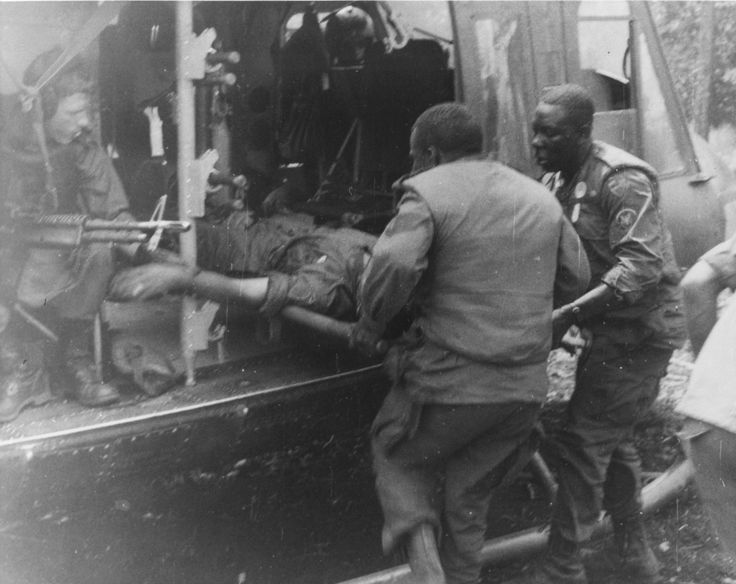

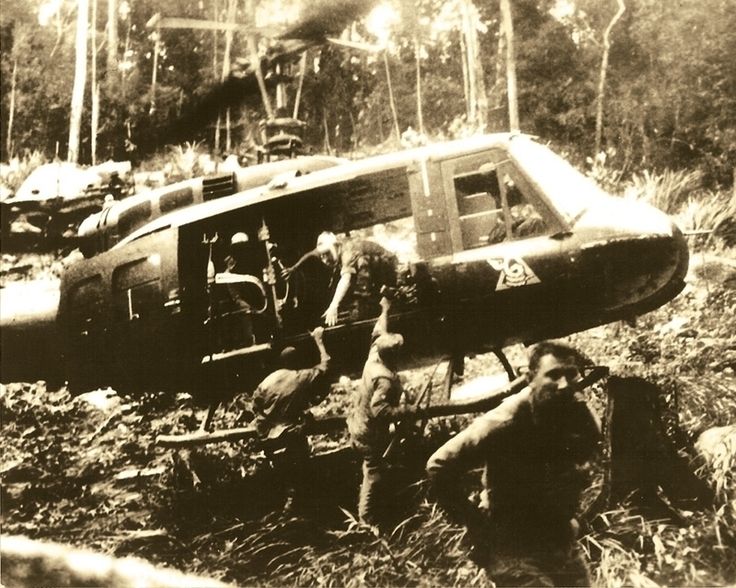

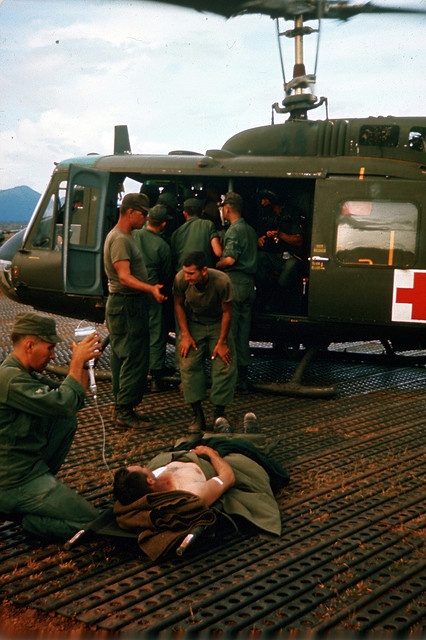
This story originally posted on “War History Online, Nov. 5, 2015
This slideshow is mainly about Dust Off missions and the men who risked their lives to save their fellow soldiers. It contains a mix of pictures; some are mine, some are from folks who’ve ‘loaned’ them to me, and some I’ve taken off the internet. The 498th Dust Off men shown in close-up pictures were either Killed In Action or, in the case of two individuals, passed away more recently. Sadly, I couldn’t find pictures of all the 498th men who were KIA while I was with the unit. May they all Rest in Peace. 498th Dust Off, Lane Army Heliport, An Son, RVN, 1970.
Thank you for taking the time to read this. Should you have a question or comment about this article, then scroll down to the comment section below to leave your response.
If you want to learn more about the Vietnam War and its Warriors, then subscribe to this blog and get notified by email or your feed reader every time a new story, picture, video or changes occur on this website – the button is located at the top right of this page.
I’ve also created a poll to help identify my website audience – before leaving, can you please click HERE and choose the one item best describing you. Thank you in advance!

 CherriesWriter - Vietnam War website
I’m happy to see the love for DustOff pilots still lives in the hearts of the men they saved. My father, Capt. Charles Williams, “MedEvac 2” was a MedEvac pilot with 1st battalion, 8th medical group 1st Cavalry Division in country from August of 1967 to September of 1968. He was flying into combat every day during his tour. He was awarded 4 Distinguished Flying Crosses, 2 Bronze Stars for valor, and 1 Purple Heart. He was shot down 5 times, and said he crashed better than anyone else he knew. He was never the same man who left to serve his country. He had PTSD, depression, and alcoholism the rest of his life. He always said that he was not a hero. I didn’t understand his sacrifice until I joined the Army. The cost of his sacrifice didn’t end in Vietnam. It followed him to the day he died, a few years ago. There were about 30 men that we didn’t know that attended his funeral. Most of them had unit crests pinned to their suits. Some left mementos in his casket. He never thought he did anything special or heroic. I guess those men disagreed.
LikeLike
Johnny, thank you for your report.
LikeLike
This article is a commemorative dedication to those who not only revere DustOffers but to the DustOff crews who flew day and night, rain or shine out in clean air and back in fog. I am Johnny Blessing, CW2 and Aircraft Commander released from active duty on 3 April, 1970, now 84 years young and wear the several badges of Agent Orange “earned” in the skies of Vietnam while flying DustOff for 18 months. I was never wounded. Came close to dying more times than I will ever know. The saying God was my co-pilot is certainly true.
I was assigned to the 326th Med. Bn., Air Ambulance Co., 101st Airborne Division, Hue/Phu Bi, I Corps with the famous Asha Valley (of death) in our Area of Operations. See Operation Apache Snow, Hill 937, aka Hamburger Hill. (see movie)
Operation Apache Snow, also known as Hamburger Hill, was a joint U.S. Army and Army of the Republic of Vietnam (ARVN) military operation during the Vietnam War. It took place from 10 May to 7 June 1969 in the A Sầu Valley of South Vietnam. Here are the key points:
Objective: The operation aimed to keep pressure on the People’s Army of Vietnam (PAVN) units in the A Sầu Valley and prevent them from launching attacks on neighboring coastal provinces.
Background: The A Sầu Valley served as an important corridor for the PAVN and Viet Cong (VC). They used it to transport supplies from Laos into South Vietnam and as a staging area for attacks.
Forces Involved:
The initial assault force included troops from the 187th, 501st, and 506th Infantry Regiments of the 101st Airborne Division, the 9th Marine Regiment, and the ARVN 1st Division.
The plan was to block escape routes into Laos and assault enemy formations and strongholds.
Battle of Hamburger Hill (Hill 937):
The PAVN conducted a fighting retreat in the valley.
The 29th Regiment made a stand on Hill 937 (nicknamed Hamburger Hill).
After ten days of intense fighting, U.S. forces managed to destroy the PAVN fortifications and capture the hill.
Despite its lack of military significance, the battle became known as Hamburger Hill due to its similarity to the Korean War Battle of Pork Chop Hill.
U.S. forces abandoned the hill within a few weeks after capturing it.
Casualties:
U.S. casualties included 31 killed during the operation.
The U.S. body count reported 977 PAVN killed, with 5 captured.
Additionally, 609 individual and 143 crew-served weapons were recovered from the PAVN.
In summary, Operation Apache Snow aimed to disrupt PAVN activities in the A Sầu Valley, culminating in the intense battle for Hamburger Hill. Despite its controversial nature, the operation had significant implications for both sides.
Operation Apache Snow was a joint U.S. Army and Army of the Republic of Vietnam (ARVN) military operation (10 May – 7 June 1969) during the Vietnam War designed to keep pressure on the People’s Army of Vietnam (PAVN) units in the A Sầu Valley and prevent them from mounting any attacks on the neighboring coastal provinces.
Background
The A Sầu Valley was an important corridor for the PAVN and Viet Cong (VC), who frequently used it to transport supplies from Laos into South Vietnam as well as employed it as staging area for attacks. Previous sweeps of the valley in Operation Delaware (19 April – 17 May 1968), Operation Dewey Canyon (22 January – 18 March 1969) and Operation Massachusetts Striker (28 February – 8 May 1969) in the preceding year had resulted in over 2,000 enemy casualties, but were unsuccessful at removing the PAVN from the valley.[2]
Apache Snow was planned as an operation involving ten battalions. The initial assault force consisted of troops from the 187th, 501st, and 506th Infantry Regiments of the 101st Airborne Division, the 9th Marine Regiment, and the ARVN 1st Division.[3] The plan was to block escape routes into Laos and assault enemy formations and strongholds.
Operation
The operation began on 10 May 1969. The PAVN mostly conducted a fighting retreat in the valley. The 29th Regiment eventually made a stand in elaborate previously prepared bunker positions on Hill 937. After ten days of fighting, which involved 11 infantry assaults up Hill 937 primarily by the 3rd Battalion, 187th Infantry (resulting in heavy US losses), US forces managed to destroy the PAVN fortifications and capture the hill. The resulting battle became known to the soldiers as Hamburger Hill, an up-to-date reference to the Korean War Battle of Pork Chop Hill. As the hill had no military significance aside from the presence of the PAVN, it was abandoned by US forces within a few weeks of its being taken.
On 14 May units of the 3rd Brigade, 101st Airborne found 53 PAVN bodies about 2 miles (3.2 km) east of the Laotian border. In the same area on 15 May at 13:15, an element of the 3rd Brigade engaged a PAVN force in a battle that continued until 15:10 when the PAVN broke contact leaving 74 dead while US casualties were 1 killed.[4]: 35
On 16 May at 01:10, units of the 3rd Brigade, while in night defensive positions 13 miles (21 km) northwest of A Sầu received sporadic small arms and RPG fire until 05:30, a sweep of the perimeter at dawn found 14 dead PAVN.[4]: 37
On 18 May at 07:15, units of the 3rd Brigade engaged a PAVN force occupying fortified positions 2 miles east of the Laotian border. Heavy fighting continued with tactical airstrikes and helicopter gunships supporting the 3rd Brigade until contact was lost at 21:00. PAVN losses were 125 killed while US losses were 12 killed.[4]: 40
On 19 May units of the 3rd Brigade engaged a PAVN force occupying fortified positions 2 miles east of the Laotian border. Contact was lost at darkness. PAVN losses were 28 killed and 5 individual and 6 crew-served weapons captured, US losses were 2 killed.[4]: 41
On 20 May units of the 3rd Brigade engaged a PAVN force occupying fortified positions 2 miles east of the Laotian border. The PAVN positions were overrun at 15:30 with PAVN losses of 91 killed and 1 captured US losses of 1 killed.[4]: 43 On 21 May Brigade units found the bodies of 48 PAVN soldiers killed by airstrikes or artillery the previous day, together with 37 individual and 13 crew-served weapons.[4]: 44 On 22 May Brigade units found 53 PAVN bodies in graves or destroyed fighting positions.[4]: 45
On 23 May, while patrolling around Firebase Airborne, units of the 2nd Battalion, 506th Infantry Regiment lost 4 killed in several separate skirmishes.[5]: 3 Company A, 1st Battalion, 506th Infantry Regiment engaged a PAVN force at 09:45 in an engagement that continued until 14:50, following which the Company found 11 bunkers, a rice cache, several weapons and seven PAVN killed. Company B, 1/506th found three bunkers several weapons and three PAVN graves. Company C, 1/506th found the bodies on five PAVN killed the previous day and engaged a PAVN bunker killing one PAVN.[6]: 16
On 24 May 3rd Brigade units discovered a weapons cache containing 47 individual weapons.[4]: 47
On 26 May the 2/506th killed one PAVN and discovered the graves of a further five PAVN.[6]: 4 Company B, 1/506th search a bunker complex finding small munitions caches. Company C, 1/506th found 23 bunkers and several small munitions caches.[5]: 19
On 27 May a mortar attack on Firebase Airborne killed four soldiers of the 2/506th. Company C, 2/506th found a supply cache containing 1,400 60/82mm mortar rounds and 200 Rocket-propelled grenades (RPG).[6]: 4 Company B, 1/506th found a PAVN grave and Company C destroyed a 25m long corn field.[5]: 19
On 28 May Company C found three AK-47 rifles.[6]: 4 On 30 May Company D found an abandoned antiaircraft position comprising five bunkers.[6]: 5 On 31 May Company C found a supply cache containing 315 60/82mm mortar rounds and 57 RPG rounds.[6]: 5
On 1 June Company C, 2/506th found a 6,500 pound rice cache and the wreckage of a crashed UH-1D helicopter and the remains of a crewman.[6]: 5 Company D, 1/506th found a 60mm mortar and later found four bunkers and living quarters.[5]: 22
On 2 June Company A, 2/506th engaged a group of ten PAVN setting up M18 Claymore mines, two PAVN and one U.S. soldier were killed in the skirmish. Later that day Company C, 2/506th found a 12,900 pound rice cache.[6]: 5
On 3 June Company A, 2/506th found two PAVN graves and Company C found two SKS rifles.[6]: 6 Company B, 1/506th conducted an air assault finding two bunkers and later killing one PAVN and capturing two K-50s.[5]: 23–4 On 4 June Company B killed a PAVN entering their night defensive position and captured an AK-47. Later that day Company B found and destroyed antiaircraft position and four mortar positions. [5]: 24
On 5 June Company D, 2/506th engaged two PAVN killing one and capturing an RPG launcher and later found three PAVN graves.[6]: 6 Company D, 1/506th found and destroyed five bunkers.[5]: 25
On 6 June Company B, 2/506th was attacked by fire losing one killed.[6]: 6 On 7 June Company C found a small supply cache and engaged three PAVN, killing one and following that skirmish located another munitions cache. Company D located another small munitions cache. The 2/506th was withdrawn from the operation at the end of the day.[6]: 6–7 On 7 June the 1/506th was withdrawn from the operation and the operation concluded at midnight.[5]: 26–7
Aftermath
The operation met its limited objective of pressuring the PAVN forces in the valley. However, the valley continued to be used as staging area for attacks in northern South Vietnam. The US claimed that the month‑long operation accounted for 753 PAVN killed, four prisoners, 272 individual and 43 crew‑served weapons captured and more than 100,000 rounds of ammunition discovered. US losses were 113 killed. The ARVN killed 224 PAVN and captured one and 337 individual and 100 crew-served weapons. Operation Apache Snow resulted in a strategic victory for US and ARVN troops, but the abandonment of Hill 937 was a moral defeat that caused widespread outrage from US forces and the US public.
Belligerents
United States
South Vietnam North Vietnam North Vietnam
Commanders and leaders
Melvin Zais
John M. Wright Ma Vinh Lan
Units involved
South Vietnam 1st Infantry Division
1st Regiment
3rd Regiment
United States 101st Airborne Division
Ten artillery batteries 29th Regiment
Casualties and losses
South Vietnam 31 killed
United States 113 killed US body count: 977 killed
5 captured
609 individual and 143 crew‑served weapons recovered.
Interesting to note that Gen Melvin Zais, Commanding General of the 101st at the time of the Hamburger Hill’s battles.
General Melvin Zais received several awards and honors for his distinguished military service. Here are the specific actions that led to his Silver Star and Bronze Star awards:
Silver Star Medal:
General Zais was awarded the Silver Star for his exceptional valor and leadership during the Vietnam War.
His actions during intense combat situations demonstrated courage, selflessness, and strategic acumen.
UNFORTUNATELY, THE SPECIFIC DETAILS OF THE EXACT ENGAGEMENT THAT EARNED HIM THE SILVER STAR ARE NOT READILY AVAILABLE IN THE PROVIDED SOURCE.
Note: The Silver Star Medal is awarded for gallantry in action against an enemy of the United States. It recognizes acts of bravery that do not meet the criteria for higher valor awards such as the Distinguished Service Cross, the Navy Cross, or the Air Force Cross1. Specifically, it is given to service members who distinguish themselves through conspicuous gallantry and intrepidity at the risk of life above and beyond the call of duty. General Lloyd Austin, for instance, received the Silver Star during the Iraq war for his decisive role in the 3rd Infantry Division’s lightning march from Kuwait to Baghdad, where he led from the front and ensured combat assets were available during crucial battles.
Hmmmmm. . . . Zais led from Camp Eagle 30 miles east of “the Hill”.
Bronze Star Medal:
The Bronze Star is awarded for acts of heroism, meritorious service, or achievement in a combat zone.
General Zais received the Bronze Star for his contributions during various military campaigns, including World War II and the Vietnam War.
However, the precise actions that led to his Bronze Star awards are not explicitly documented in the available information.
. . .
After serving with the 101st I was assigned to the 247th Medical Detachment. A Dust Off unit located at the Phang Rang Air Force Base on the coast just south of Cam Ranh Bay. A crew chief, Elvis Bray, of a Huey I flew often wrote a book of his experiences titled FADING MEMORIES OF AN OLD SOLDIER. In one chapter he devoted to a Dust Off Mission we had he relates how that mission nearly took our lives; BETWEEN A ROK AND A HARD PLACE. The book is available from Amazon.
LikeLiked by 1 person
I WAS WITH THE 1ST CAV 2ND 7TH 67 68 AT AN KEA NOT ENOUGH CAN BE SAID FOR ALL OF MEDIC AND DUSTOFF MEN THEY WERE THE GREATEST
LikeLike
Excellent. The sound of any helicopters to this day, makes my heart beat faster, and my mind drifts back to a time in another country, and years past. I was an OR TECH at 3rd Field Hospital in Saigon 1972.
I salute all the brave pilots that flew ALL the helicopters. Yawl were amazing
LikeLike
This be Johnny Blessing (CW2) Dustoff aircraft commander with 326 Med Bn, 101st, Camp Eagle, Phu Bai / Hue. And with the 247th Med Detachment, Vung Tau, Phan Rang. I drove a wonderful Huey for 18 months and shared many looooooong moments under fire with some of the bravest men in the US military from ’68 to ’70. I would never want to be a ground pounder, grunt, or other combat arms who engage the enemy. They can get cover while under fire. (Unless they are warriors of the sky.) The difference between what they do and what we did is that we have nothing to shield us from incoming. Our shield is night and speed. Making an extraction of a WIA should NEVER take longer than 30 seconds on the ground if that long. What really slows us down is to have more than one to load on the aircraft. And that happens all too often. Another slowdown is when the Huey can’t touch down. That gets hairy. Hoist operations are really time consuming. The good thing is that Charlie has to climb trees to see us. And they did.
Of all the hot missions I flew, very few afforded us the offensive gift of a Cobra team to cover us. They were not available being engaged supporting troops somewhere else. The big “up” was that we could extract a fellow soldier who was in bad shape and closing in on death. The Reaper getting his pound of flesh. In the process of this flying, I got to know myself more than ever before.
LikeLiked by 1 person
I salute you sir. I was an OR TECH at 3rd Field Hospital in Saigon 1972. Between the two of us, we saved many lives. Like you said, I would not want to be an infantry soldier…. We would work round the clock to “fix” the wounded.
Keep smilin myfriend
olehippy13
LikeLike
Great article—it took me back ! I volunteered for two tours @ 67th Evac Hospital in Qui Nhon 69-71.— Head Nurse of Orthopedics and then Casualty Receiving and Triage. 498th Dust-Off brought in most of our patients. Heroes one and all ! You guys saved many lives.
God Bless.
LikeLiked by 1 person
Thank you for your service. I was an OR TECH 3rd Field Hospital in Saigon in 1972. I remember a Lt. Poole being there, I think she worked in Recovery.
Randall Underwood
here is an animation I made. Check it out.
LikeLiked by 1 person
Hi, Randall,
In reply, I’d like to tell you that I was Diana Dwan when in Nam—Poole is my married name. Also, I was at 67th Evac in Qui Nhon. 69-71.
Thank you for being there in the OR—I know you helped save lives !
LikeLiked by 1 person
Great article. This is the first time that I was able to thank them.
LikeLiked by 1 person
In 1969-70 I was assigned to the Marines Direct Air Support Center on Hill 200 with the 1stMar Div. We controled Fix Wing a/c, Medivacs Close Air Support Mission etc. I got a call for a Medivac to a hot zone. I had no 46 with gunships available. In a hot zone a 46 would not pick up until the zone was no longer hot. I went to the Dustoff. They did the pick up even with a hot zone. The next day I got my ass chewed out because I went to the Army for help. We saved a life because of Dustoff. God Bless them.
LikeLiked by 1 person
I flew Dustoff for the first six months of 1969 from Red Beach in Danang. Helped the Marines on a number of occasions. It was my honor and fun to fly and save our soldiers. Loved every minute.
LikeLiked by 1 person
Thank you for the article. Couldn’t get the video. I flew Dustoff in ’68 with the 498th and ’69 with the 236th when they came in country. It was a rewarding job saving a lot of people. My second tour in ’71-’72 was totally different as we were phasing out of the war. Again thanks for the article.
LikeLiked by 1 person
Very good…The soldiers that served in Vietnam were our heroes in our neighborhood. My next door neighbor was drafted out of high school in 1966 when I was 11. I helped his dad put up a fence in his yard. “Tommy’s in Vietnam”, he said, “that’s why I asked you to help me”. Tom came home intact I can only imagine what he saw.
LikeLiked by 1 person
Picture 27 was a helicopter from the 54th Dust Off out of Chi Lai. It was flown by WO Ken Axe he and his crew where shot down trying rescue wounded troops that where in heavy contact at night. He and his crew where rescued and returned in a second chopper to pick up the wounded. This was in 1970.
LikeLiked by 1 person
I’m a 67yr old man, as I went through the photos I have to say it brought me to tears to see what these warrior’s went through to save another. They courageously went to place their lives in danger daily to help save another person they had never met. There was no questions about race or religion they knew what had to be done to save a brother warrior. I was to young at the time if the war but it amazes me how boy’s grew into men and never even realized it.
LikeLiked by 1 person
Thank you for writing this. I was a DUSTOFF medic in Afghanistan (OEF ‘11-‘12) and am very proud of the courageous men who came before me. “When I have your wounded..”
LikeLiked by 1 person
Major Kelly’s last words before shot thru windshield he fought to keep dustoffs existence. Company commander 57th medical detachment
LikeLike
Just found this posting. Will send the address to a dear friend who was a Dust Off pilot. They will never say this themselves but among us pilots they were the bravest of the brave.
John, cherrieswriter has become my favorite go-to website for all things Vietnam. Thanks for your hard work and devotion to us Nam veterans.
Welcome home everyone.
LikeLiked by 1 person
Those dust off pilots usually warrant officers were heroes helping heroes! They were the bravest of the brave and we in the infantry owe our lives to those fine pilots. Us grunts called them elephant balls because of their courage! They saved me and many other grunts on December 23rd 1968 after a day long firefight near Tay Ninh. Never got their names but to all A big Thank You !!! Company B 3rd Battlon 22nd Infantry Division of the 25thInfantry Division
LikeLiked by 1 person
A friend connected me with this site.
We went to Nam together.
Got there on the 2nd of Jan 67…we took camp alpha by storm we did! Teenagers! That we were.
Been 53 years now. Seems like only last week.
Read many of these posts till I got tired.
Kind of revisiting that time today. But today’s enough.
I haven’t been thinken about Nam like every day for a while now. Must be because I’m now too old to get that upset anymore, I think? Be 73 in a few months! A long time ago now.
I was with the 116th AHC in Cu Chi.
Guess you could say we frequented the 12th evac across the road without being too dramatic.
Lots of med evac (dust off)..I don’t remember calling what we did by any particular name. Think all the names were put some time later.
Nasty! It was nasty! All of it…every day…lots of missions to Tay Nin. What caught my eye in one of these posts….nice mountain from the air though.
I think they are trying to retire all the Hueys but are not having a good time of it. I figure we’ll all be gone before too long, maybe 10 years. Don’t imagine any of us maken it past our 80’s.
In reading today, seems a lot of writings are by the children of us. Nam was now a long time ago for sure. Was ok today for a short revisit. All you youngsters are as kind as can be.
LikeLiked by 2 people
always wondered what the infantry guys thought of dustoffs. Coming home I heard some guys saying their friends died because dustoff didn’t come in to pickup. After that I never told anyone I was in dustoff unit.as a crew member not my call. Glad we were appreciated thanks
LikeLike
God bless them and their families. As some general famously said “WHERE DO WE GET MEN LIKE THIS?” THANK YOU! from a American who graduated from high school the month Saigon fell. THE MEN and WOMEN WHO SERVED IN VIETNAM have ALWAYS had my respect and gratitude. AMERICA FAILED YOU. YOU DID NOT FAIL AMERICA. You are my GREATEST GENERATION. THANK YOU BROTHERS AND SISTERS.
LikeLiked by 1 person
Awesome, as were the dustoff crews themselves. ALL of them… From one who was there in slicks, and watched them at work…
LikeLiked by 1 person
Great article, I flew with the 571st and 237th in I Corp from July 68 till February 70 as a Crewchief/medic. We never turned down a mission
LikeLiked by 1 person
We didn’t either unless the weather kept us from landing.
LikeLike
Hello Curtis. Did you know a 1st Cav pilot call name Sugar. His name was Pat Sullivan. I met him after his duty and lost him a few years later.
LikeLiked by 1 person
Oh please!
Another suck-ass site for us old bets to visit.
Click bait at that. I was in nam in 67. I’m not impressed by these recycled photos!
LikeLike
Picture 27 was a helicopter from the 54th Dust Off out of Chi Lai. It was flown by WO Ken Axe he and his crew where shot down trying rescue wounded troops that where in heavy contact at night. He and his crew where rescued and returned in a second chopper to pick up the wounded. This was in 1970.
LikeLiked by 1 person
He is a piece of ca ca.
LikeLiked by 1 person
How does it feel to be a craphead?
LikeLike
My dad, Jerry Thompson was a Dustoff pilot in Vietnam. Your article was so informative for me. He doesn’t really like to talk about his time in Vietnam so I was very happy to find something that explains in depth what his life would have been like there. Thank you for taking the time to share this information.
LikeLiked by 1 person
Loved it! My husband was a door gunner and flew medivacs. He was in Country 1970-1971. He could hear a chopper coming from a long ways out! Not sure of his unit, US Marine base Marble Mtn.
LikeLiked by 1 person
I thought this article was fantastic & very knowledgable. I was a Black Hawk pilots wife Ft. Campbell, Ky. I grew up in Hopkinsville, Kentucky. I have learned so much from all of the comments also. Sadly my husband & I later divorced. I still love & admire him as we have 2 sons that will be 39 & 41 later this year.
I am so happy I lucked up on this site. I look forward to learning so much. In 1969 I was a 14 year old girl when so many guys were being drafted as a young girl I said why are they drafting all of the good looking guys. As I grew older & wiser I learned to appreciate all men very handsome or not . I appreciate everyone that has been or is a veteran at this moment. Thank God for all of you.
Pamela
kevinpamsiemsen@gmail.com
LikeLiked by 1 person
Flew Dustoff during the first part of my second tour, as units were starting to rotate home. Enjoyed my time with the 57th, 254th and 498th. Great crews, interesting memories especially after having flown in a Cav troop on my first tour.
LikeLiked by 1 person
Hope you are doing well Paul!
LikeLiked by 1 person
Ed doing well, hope all is well with you. Had you stayed in? Miss working with you. I did 17, but got three to test fly over a month that all had issues after the TI check that during test flight would have been real issue. Decided to get out immediately after. I am at pbpilot27@comcast.net if you want to contact me. Are you still in contact with any 498 crew?
LikeLiked by 1 person
I was with the 254 dust off crew chief 66 67 Patrick Malloy
LikeLike
Great article yes when one hears the distinctive noise of a H class coming in for a rope extraction your hair stands up on the back of your neck . To this day 50 years later the sound of a chopper coming in close makes my hair stand up , All of us who have served hold those brilliant pilots of 9Squadron RAAF in Vietnam in the highest esteem
LikeLiked by 1 person
Dead Men Flying is the title of my book, not mentioned, some inaccuracies here, AC, often did the flying etc, read my book for the origins of Dustoff and Major Kelly who died to save Dustoff.
LikeLiked by 1 person
This was a very good article. Thank you for sharing. Bless you and all the Soldiers past and present.
LikeLiked by 1 person
Your Article is fantastic. My Cousin (Cpt. Robert Lee Cottman, was a Dust-Off pilot in Vietnam he was killed along with his crew on Oct 19, 1968. He was my inspiration for joining the US Army in 1977 where I qualified to be a helicopter mechanic, I was sent to Ft. Rucker, AL for training. Thank you for telling the world about the unsung heroes in the sky-who flew and was willing to die for America, while saving 1000s of lives. I’d love to hear from any living Veteran that Robert saved or just hear “The War Stories from Dust-Off Pilots” God Bless you all! Welcome Home Brothers………
LikeLiked by 1 person
Bob Cottman was a DustOff Pilot with the 82nd Med Detach , Soc Trang in the Delta. He and I flew together several times. The day after he went down I spent 2-3 hrs Near Can Tho hovering a bout 10ft above the Mekong looking for any trace of the crew or chopper. I knew Bob and the entire crew as we all flew together at times when the schedule worked out for us both flying together. I think of Bob often. He was in the hooch next to mine and the Pilot Denis Groth was in the next room. Bob was a very good pilot and we flew day or night together . Still think about Bob and the entire crew. That day I have never forgot and probably never will.
LikeLiked by 1 person
So appreciated this posting. I’m attempting to find information/images about my Dad’s youngest brother, David Baker, who was a pilot of these helos in Nam. He survived being shot down in Nam and was later training pilots in Ft Hood after the war. Tragically he was killed in a car accident there. Records of his time in Nam have been lost but many memories remain. If anyone remembers him, I would greatly appreciate hearing from you at rememberwhen95@windstream.net. Thanks again and God Bless!
LikeLiked by 1 person
EXCELLENT
LikeLiked by 1 person
BOB RHODA
I was a DUSTOFF pilot in the Vietnam War. and served with the 254th Med Detachment out of Na Trang my first tour 1967-1968 and was CO of the 236th Med Detachment out of Red Beach DaNang. my second tour in 1971. The most dangerous missions we performed required us to hoist wounded out of the jungle using a personnel hoist mounted in the cargo door on the left side of the aircraft. My crews performed over 180 hoist missions in two years. I had a number of helicopters shot up , some of which never flew again and one of which is still sitting on the side of a mountain on the 270 radial off Na Trang . in ashes, as far as I know. It was never recovered and was ultimately burned in place. I had several crew members wounded while performing the mission. One pilot, named Applegate, was shot through the hand on a hoist mission. He was evacuated the states and I lost track of him. Hope he recovered fully.
After Vietnam, I went back to school and became a Chiropractor. I worked to get chiropractic into the Air Force, (which finally happened), but was too senior to serve in that capacity on active duty. By that time I was a Full Colonel.
I hope some fellow DUSTOFF pilots and/or crew members from 49 or 50 years ago will read this, remember me, (fondly I hope), and perhaps send me and e-mail @ magicvalleydoc@gmail.com. As we get older, memories become more important. They may fade some but never really go away.
BOB RHODA
COL, USAR, Retired
LikeLiked by 1 person
Col. Rhoda, I am doing a research study on the DUSTOFF pilots and would love to speak with you about your experience in Vietnam. You and your many pilots saved more lives than can ever be fully appreciated. Please feel free to contact me.
LikeLiked by 1 person
Thank GOD ALMIGHTY for these dust off jockies…love them…
LikeLiked by 1 person
Truly awesome-those guys, as ALL Vietnam vets, living and not, deserve our utmost respect. That they didn’t get it “back when” is one of the darkest and dirtiest deeds one to them.
LikeLiked by 1 person
It brings back good memories know that I was responsible for saving at least 1500 that lived beyond their injuries. No one ever died nor was injured aboard my aircraft, except for me being shot.
I am proud of my tour as a DUSTOFF pilot!
LikeLiked by 1 person
What Dustoff unit had you been with? I flew in the Delta with the 57th then out of Tuy Hoa, Nha Trang, and Lane with the 498th
LikeLiked by 1 person
Paul B, when did you fly out of Lane with 498th. I was there, crew chief, all of ’68, nickname “SKI”, Al Helminski from Michigan, what is your last?
LikeLiked by 1 person
Brought back many memories, lots of respect for the men who flew into harms way to get our wounded soldiers out of the jungles. Not a pilot, but served in Vietnam, 66-67. 69-70
LikeLiked by 1 person
May I have permission to use one of your dustoff pictures in my book? In memory of my friend the warrant officer killed in 1970. He was flying with the 159th dustoff out of Chu Chi. Please let me know. Thank you. Joseph Faddis
LikeLiked by 1 person
These are public domain photos so I don’t see a reason why not. Good luck with the book!
LikeLike
Request to contact Joseph Faddis via email. His friend he mentioned my have been someone I flew with in the 159th in 1968. I have a picture of him to share, also.
LikeLiked by 1 person
yes, you have my permission to use a Dustoff.net picture.
LikeLiked by 1 person
not sure what pics you’re referring to. I was a medic in the 159th Dustoff when Lt. McNeil got killed. The medic that tried to get him out after they were shot down just received the Silver Star for his actions that day.
R.C.Cech 159th Dustoff 1970
LikeLike
Found this link scrolling through the web 2 days after my dad passed away. He was a crew chief in the 159th also in Cu Chi 67-68. His name is Gene Moon (nickname, Wally) and never shared anything with us about his experience in nam. I miss him so much already and have the upmost respect for him and all the men and women who served.
All I can say is Thank You.
LikeLiked by 1 person
Good site thank you for putting this together. I was a medic with the 54th out of ChuLai from 69-70. Had the zigzagman on our helicopter.
LikeLiked by 1 person
Thank you, Jerry, for your service and for being there when us grunts needed you!
On Sun, May 15, 2016 at 10:33 PM, Cherries – A Vietnam War Novel wrote:
>
LikeLike
Great article. Did 2 tours in nam as a crewchief on hueys. Never flew dustoff but had and still have the greatest respect for those that did. My experiences were crazy enough can’t imagine flying into that jungle in an unarmed aircraft. Special breed.
LikeLiked by 1 person
Super Story, I was a crewchief with the 50th Med 67-68 , brought back a lot of memories. Thank You much for sharing. TJ
LikeLiked by 1 person
GLENN: Medic 68th Med Det (Dust Off) 68-69. Thank you for this article. This gives me a great way to share with those who are interested in my experience.
LikeLiked by 1 person
GREAT JOB! DUSTOFF 1964 1969
LikeLiked by 1 person
LOved the article, my husband was a Dustoff pilot 69-70, 159th Cu Chi , I also have some photos. He really enjoyed your article as well.
LikeLiked by 1 person
What attracted me to the article is the 159th dustoff from Chu Chi. I was a combat medic in1969 and 70 with the 25th infantry out of Chu Chi, and lost a friend that was going to help me transfer over to his unit to fly dustoff with him. After he was shot down and killed in another province I did not pursue flying dustoff but his friend ship I will hold in my heart. If i could find any information about him i would be proud to mention him in the book that I am writing. Joseph Faddis
LikeLiked by 1 person
Can I ask when your husband went to flight school. I was in 69-3, Nissan name is very familiar.
LikeLiked by 1 person
Made me cry, had many friends and family who were a part of this, my love for them all is in the up most regard and Awe of what they went thru and did …, !!
LikeLiked by 1 person
Would like to see some of the pictures. I was a medic iin 69 to 70 with yhe 159th Cu Chi. I was the Black medic. I remember your husband. He brought us back each and every time.
LikeLiked by 1 person
Larry,
My Dad was in the 159th 67-68 Crew Chief. He passed away 2 years ago at the age of 69. He was stationed in Long Bien. I am curious if you have any photos you are willing to share. His name was Gene Moon but he said everyone called him Wally.
LikeLiked by 1 person
Very interesting,but also brings back bad memories!!
LikeLiked by 1 person
Tribute to Real Hero’s who saved many lives….surrounded in a sea of Red & Green tracers flying by…..Incredible, Loyal , Dedicated, personnel. My UTMOST RESPECT to these guys as I was in a CH-47 Daily. Wonderful “Brotherhood”!
LikeLiked by 1 person
As a former member of a med-e-vac crew with the 1st Cav, 15th Med Bn, we had M-60’s mounted on our ships and I was a door-gunner. I was wounded on 6 Dec. 69 in the Tay Ninh area. I really enjoyed your video. I saw a pic of one of our birds in your slide show. Mounted guns and the 1st Cav patch painted on the tail boom. Thanks for putting it together. I had some great pics myself, however, they never made it home when my belongings were inventoried. Somebody else wanted them more than me. Oh well. Thanks again.
LikeLiked by 1 person
Hello Curtis. Did you know a 1st Cav pilot call name Sugar. His name was Pat Sullivan. I met him after his duty and lost him a few years later.
LikeLiked by 1 person
Loved it! I’m going to share this with my three sons. Their dad, my first husband, was a Dustoff pilot 1967-68 stationed out of Long Bien. I have a lot of pictures and some of them are really good “action shots”. If you are interested I would be happy to share them. Our local Veteran’s Museum dedicated a Huey helicopter in his honor two Memorial Days ago. It’s painted with the Red Cross and his call sign which was Dustoff 1-0. It was quite an honor.
LikeLiked by 2 people
Please send me his photo and your dustoff pictures. Karl Danckwerth 254th dustoff medic, Long Binh, 66-67
LikeLiked by 1 person
Karl I would be happy to share the photos. Give me a couple of days to put them together ~ right now I have them on a thumb drive ~ and I’ll send them to you. If you give me your email address that might be easier than trying to navigate this comment section. My address is: handd001@charter.net
LikeLiked by 2 people
Karl, would love to have some copies of the mentioned pictures !! I was crew chief in the 254th from J 67 till May, when I got shot and evaced back home.. Tom Vaughan… tvaugh@aol.com…
LikeLiked by 1 person
Are you the medic who was shot.in the shoulder? Doing a hoist mission. Patrick Malloy 254th. 66-67 crew chief
LikeLiked by 1 person
I would like to see your pictures. I was a Dustoff pilot out of Long Bien in 1967.
LikeLiked by 1 person
interesting to say the least. was a gunner for 15th Med E Vac 69 70 . Curtis Ford , think I knew you ?
LikeLiked by 1 person
I have some pics also. Did you know Jerry Thompson?
LikeLiked by 1 person
Sorry, I did not know your father.
On Mon, May 6, 2019 at 12:41 PM CherriesWriter – Vietnam War website wrote:
>
LikeLike